Instruments & Softwares
Thermomechanical Characterization
Instruments allowing the characterization of physico-chemical properties and thermomechanical properties of polymers.
Our balances facilitate sample preparation for various techniques where the sampled mass requires high precision. The semi-micro balance has a resolution of ±0.00001 g, while the analytical balance has a resolution of ±0.0001 g.
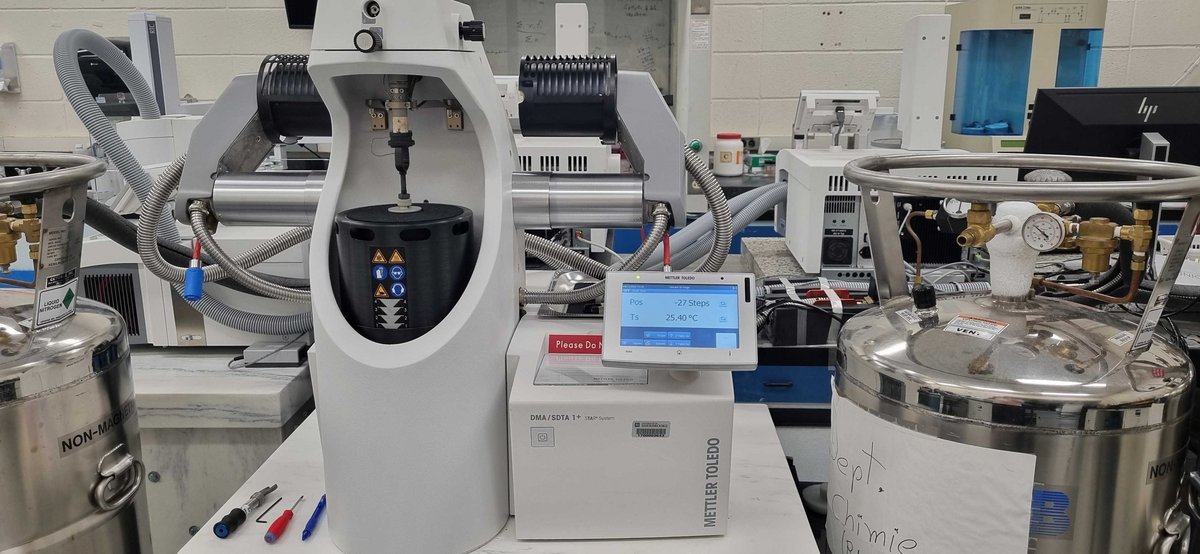
Our DMA/SDTA 1+ allows the characterization of viscoelastic properties (storage modulus, loss modulus, damping factor) of materials. Several types of measurements can be performed: force scanning (between 0 and 40 N), frequency scanning (between 0 and 1000 Hz), temperature scanning (between -120 and 500 °C), or strain amplitude scanning (between 0.00001 and 1 mm).
![[Translate to English:] PR0312 (MSE Supplies)](/fileadmin/_processed_/f/d/csm_Presse_af38c7d451.jpg)
Our heat press can heat up to 500°C and apply up to 30 tons of pressure to shape even the most difficult samples. Several molds are also available, including 12.7 mm and 25.4 mm diameter dies.
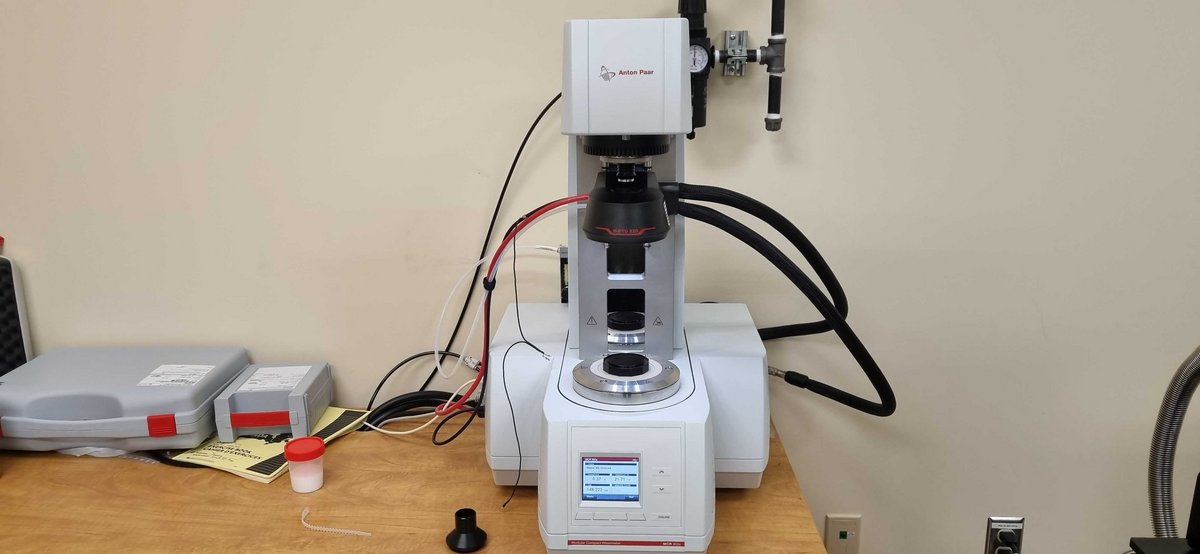
Our MCR 302e rheometer is equipped with a temperature controller ranging from -40 to 200 °C. It comes with various accessories and measuring geometries (25 mm plate-plate, 50 mm plate-plate, 25 mm cone-plate, 50 mm cone-plate and 25 mm concentric cylinder), as well as a measuring cell for performing dielectric spectroscopy during rheology analyses (DDS cell).
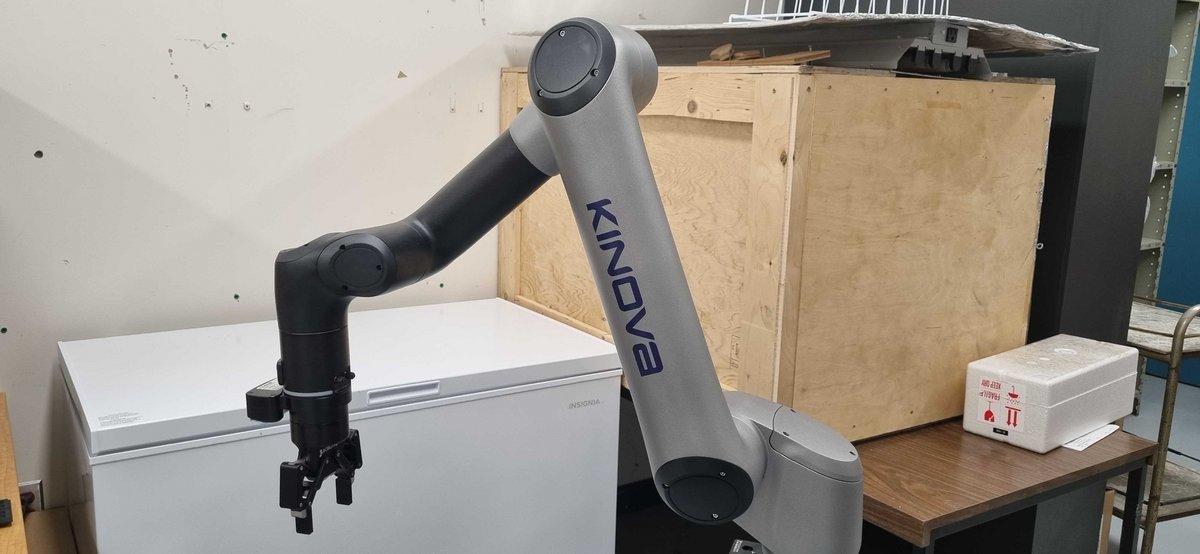
Our two robotic arms can automate certain repetitive tasks such as operating the press or the repetitive movement of objects in the laboratory.
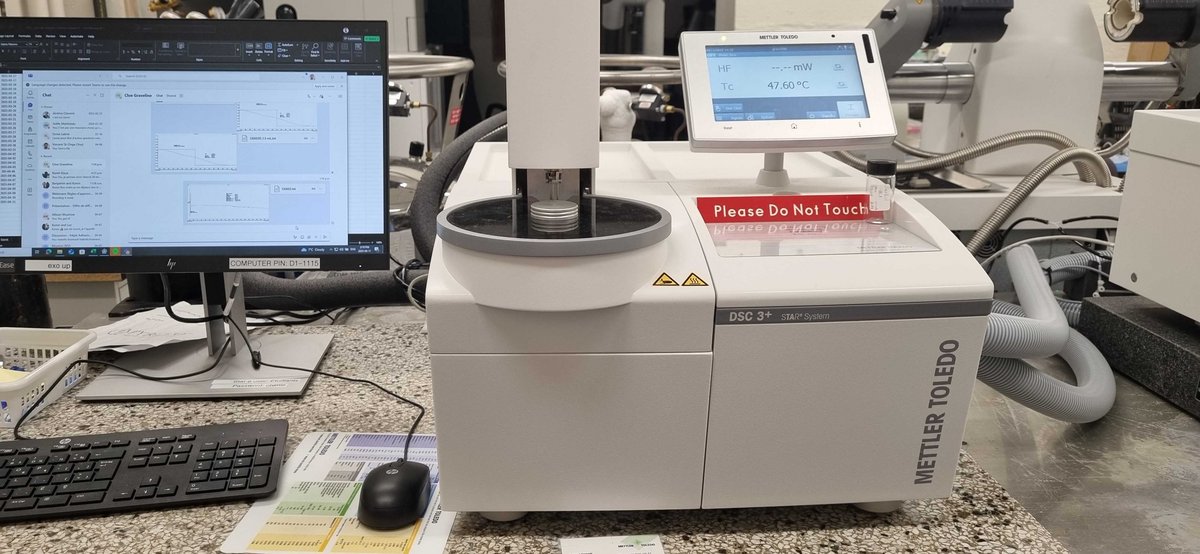
Our DSC 3+ allows the characterization of thermal properties (phase transition temperatures, heat capacity, specific enthalpies) which can be observed over a temperature range from -150 to 500 °C thanks to its liquid nitrogen cooling, with scanning speeds of up to 50 °C/min. Analyses with temperature modulation can also be performed (stochastic, sinusoidal, TOPEM).
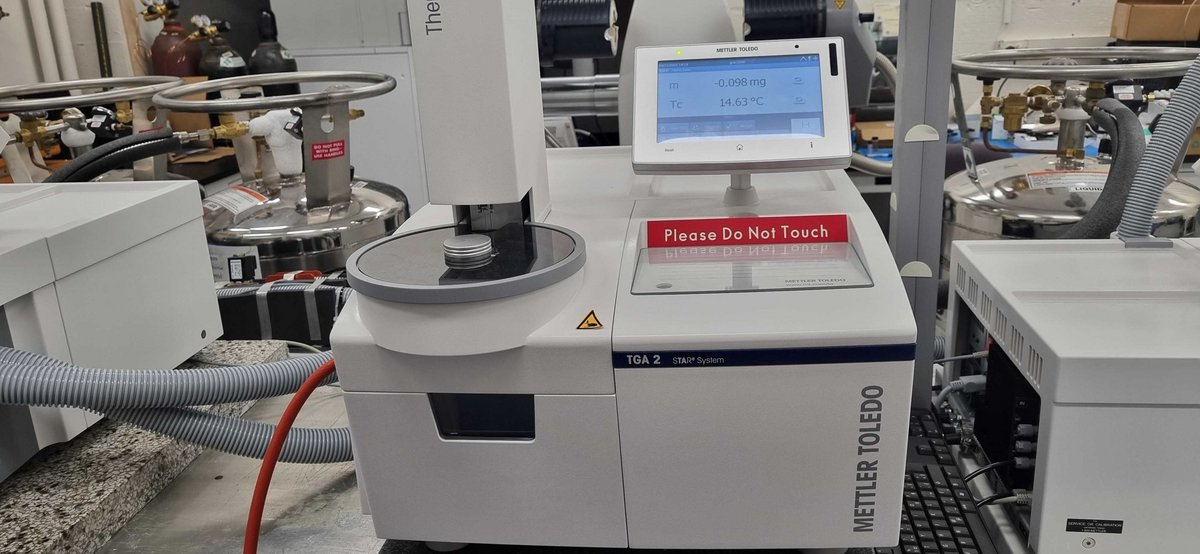
Our TGA 2, equipped with a 34-position autosampler, allows the characterization of sample degradation temperatures over a temperature range from 25 to 1100 °C under nitrogen atmosphere. The atmosphere can also be changed as needed to air (oxidizing atmosphere) or argon (even more inert than nitrogen).
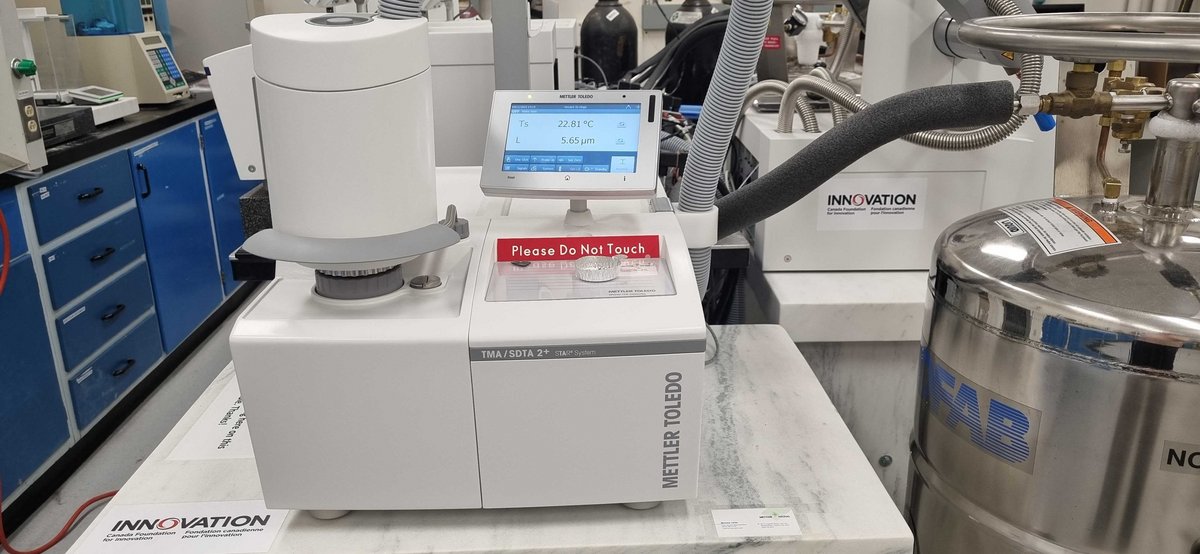
Our TMA allows the characterization of coefficients of linear thermal expansion (CLTE), as well as the performance of stress-strain measurements at low forces (0.01 to 1 N) and on low deformations (max 50%, ± 5 mm). The temperature is controlled over a range from -150 to 500 °C.
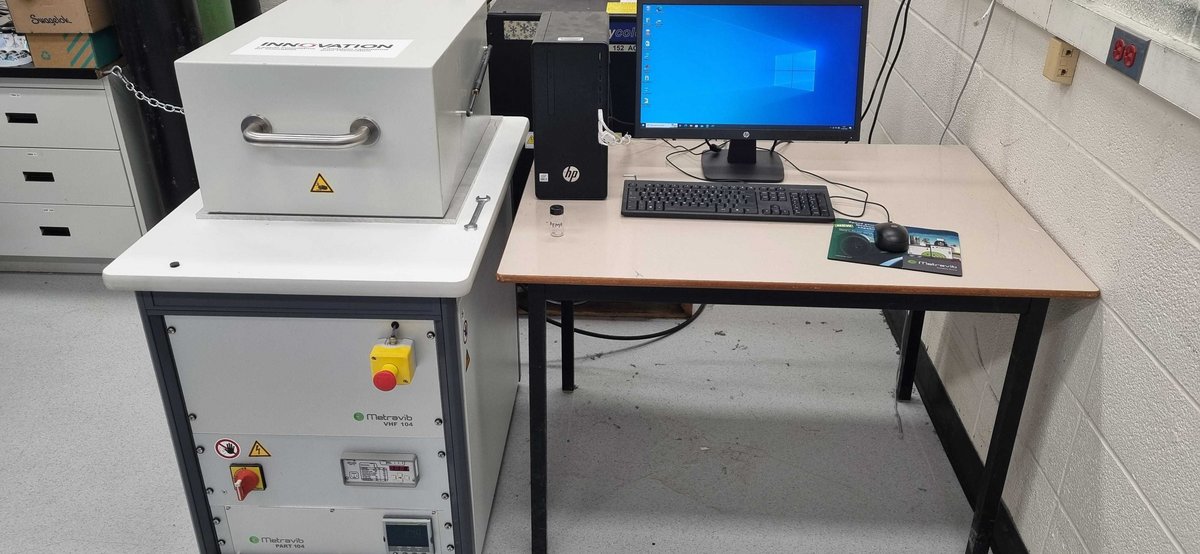
Our VHF 104 allows the characterization of the viscoelastic properties of rubber and elastomeric materials up to very high frequencies (10,000 Hz) using resonance with the material to be tested to extract this information. The temperature can be controlled between -40 and 110 °C. The range of frequencies analyzed depends on the sample and its assembly, but varies between 100 and 10,000 Hz.
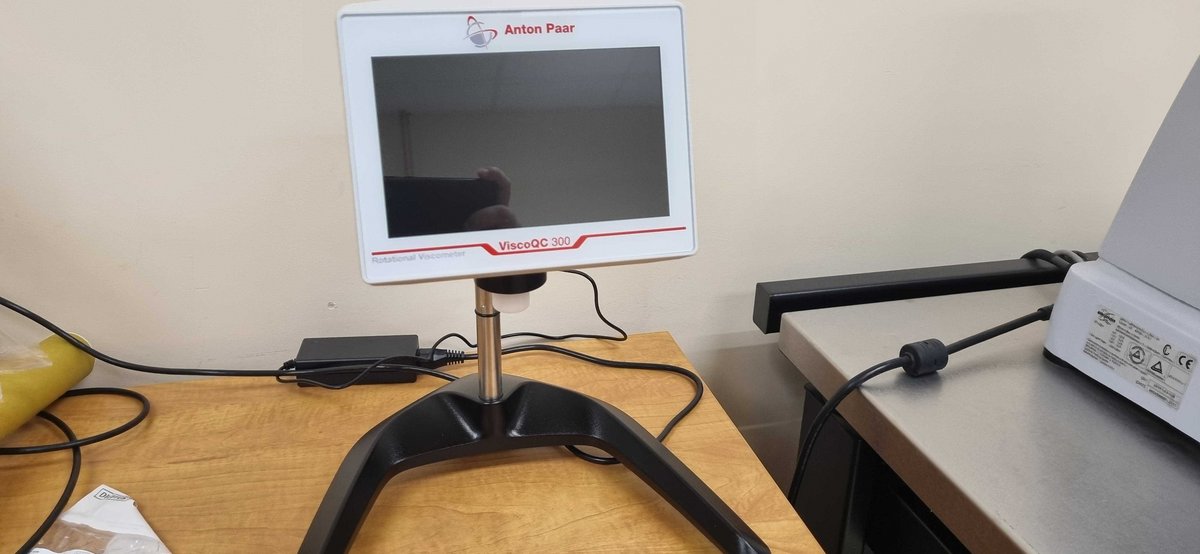
Our ViscoQC 300L is perfect for measuring the viscosity of solutions with dynamic viscosity between 1 mPa.s and 6 kPa.s.
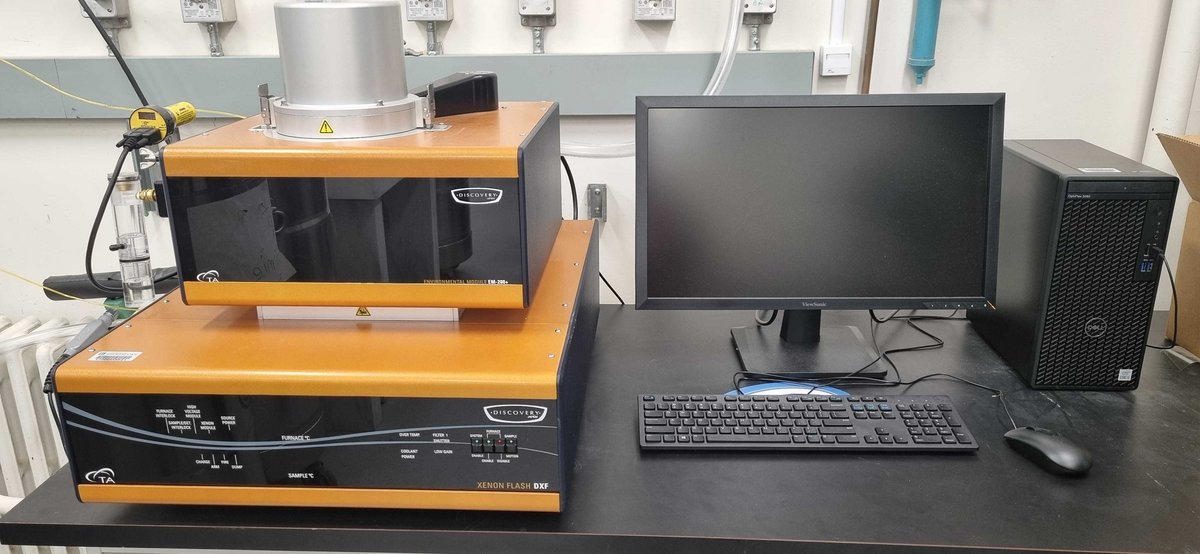
Our DXF200+ allows the measurement of the thermal diffusivity of a sample over a temperature range from -175 to 200 °C. The instrument has various accessories to measure several types of samples including discs (1.27 cm and 2.54 cm in diameter), laminated multi-layers, powders or even viscous liquids.
Structural Characterization
Instruments allowing the characterization of polymers microstructures.
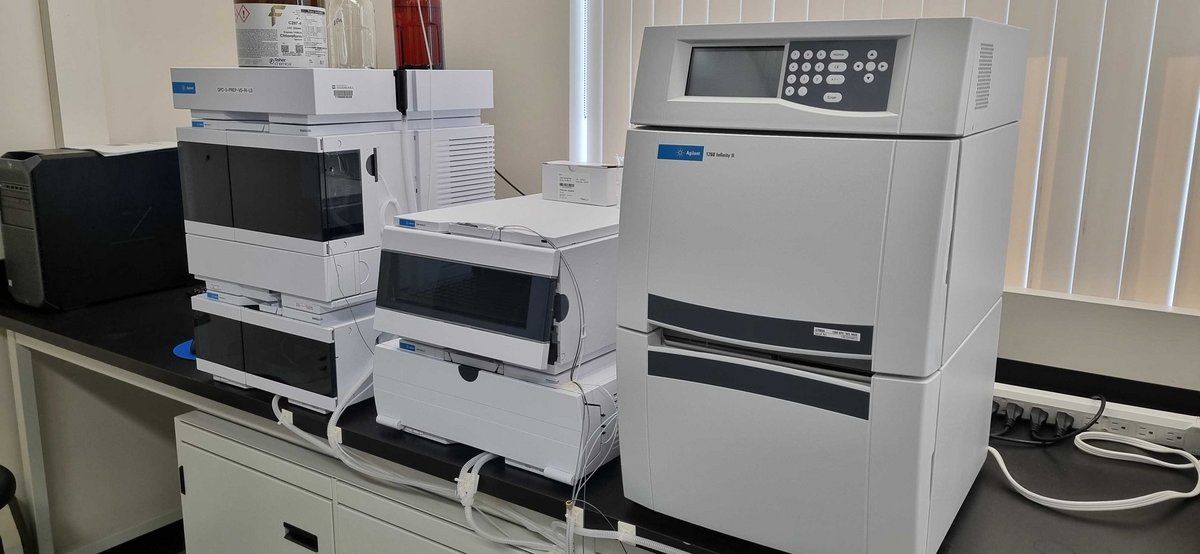
This instrument is one of the few (the only one to our knowledge) in Canada to have both triple detection (allowing the determination of the molar mass distribution and the branching degrees) and fraction collection (allowing the separate collection of the different molar mass distributions or even the fractionation of a distribution into several for subsequent analyses, for example in MALDI-TOF MS).
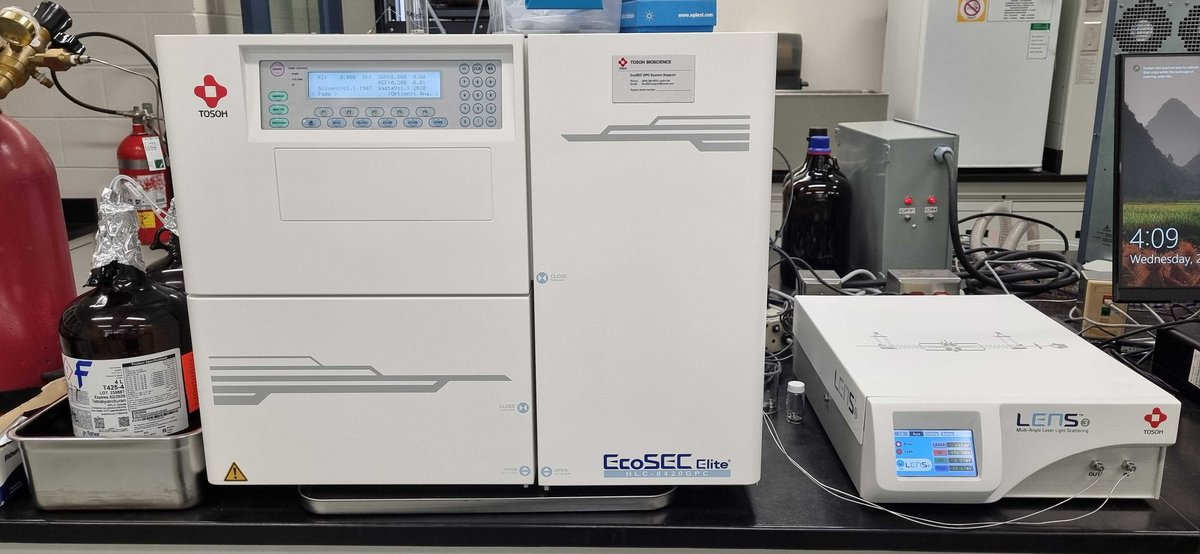
Our 2 EcoSEC analytical SECs are equipped with a refractive index (RI) detector, a static light scattering detector with 3 angles (15°, 90° and 173°), as well as a 4-capillary Wheatstone bridge viscometer. Their ceramic pumps are ideal for performing analyses even in organic solvents generally considered aggressive, such as DMF.
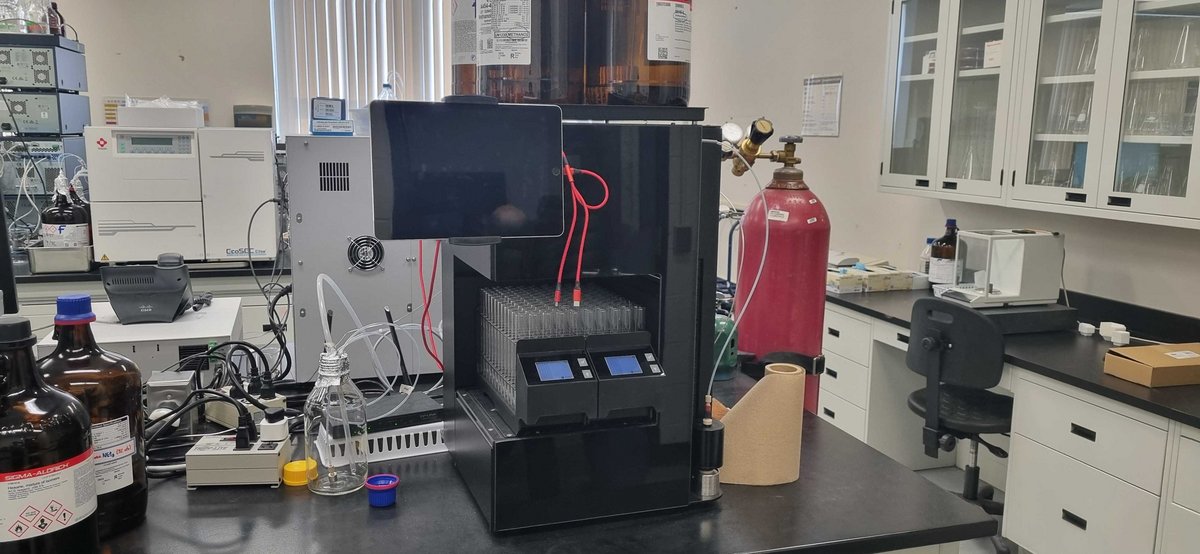
Our flash chromatograph allows for the purification of solvents and monomers required for both analyses and syntheses. It is also available to students who would like to avoid performing manual flash purification in their research project.
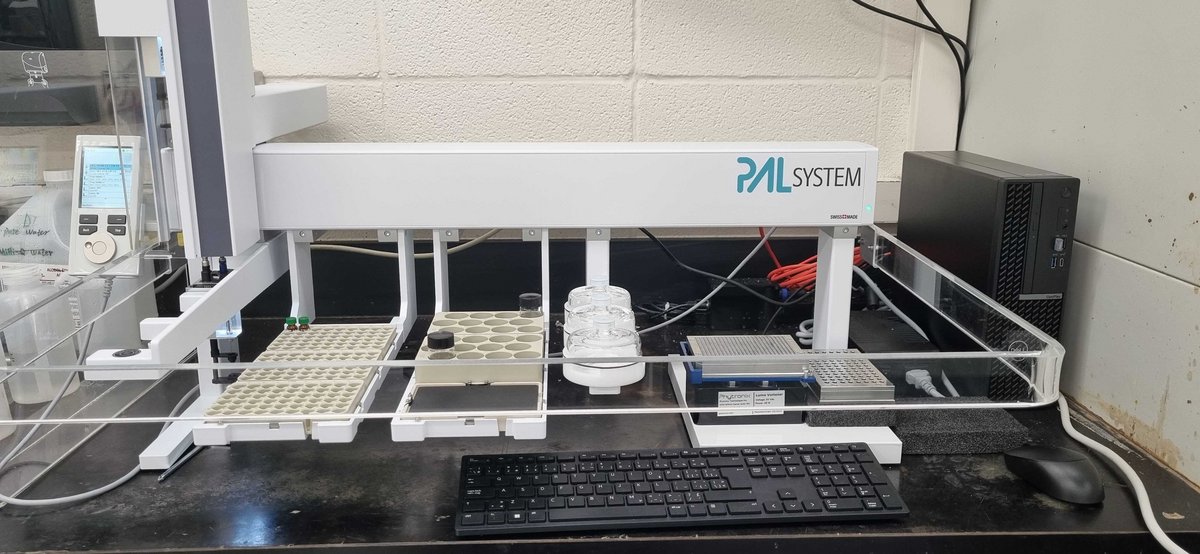
Our PAL RTC robot is custom-designed for automated MALDI plate preparation. The system can be adapted to pick up desired volumes of samples, cationizing agents, matrices, and solvents, then place them in a mixing plate on a vibrating plate for mixing, before picking up samples from each well and placing them directly onto the MALDI plate. The system is designed to work with JEOL 96- and 384-well MALDI plates.
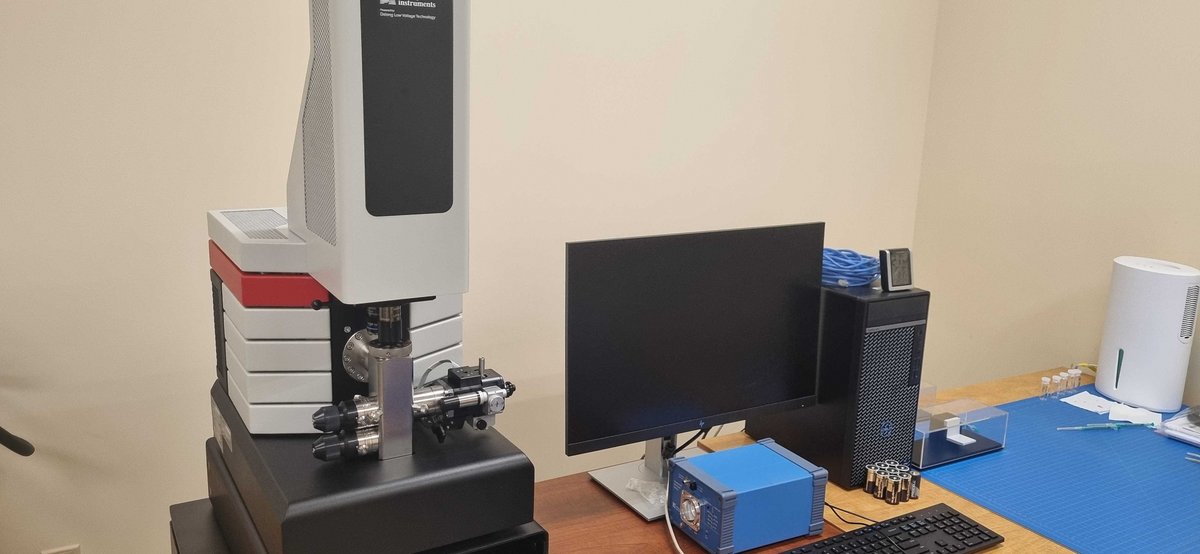
Our benchtop electron microscope sends a low-voltage electron beam (about 5 kV) onto a sample mounted on a grid (for transmission electron diffraction (TEM), scanning electron diffraction (DIFF), or scanning electron diffraction (SEM) analyses) or on a solid copper support (for SEM). The SEM mode is ideal for any type of sample with its backscattered electron detector. The TEM and DIFF modes are ideal for organic samples (composed of the atoms H, B, C, N, O, F, P). Any heavier atom will absorb the electrons and therefore will not be visible on the detector.
Our device allows DLS, ELS and PALS measurements to be performed, with the possibility of automating the acquisition of measurements based on time and temperature, but also based on pH or additive concentration thanks to the autotitrator. The device therefore allows the characterization of the size distribution as well as the stability of samples under various conditions.
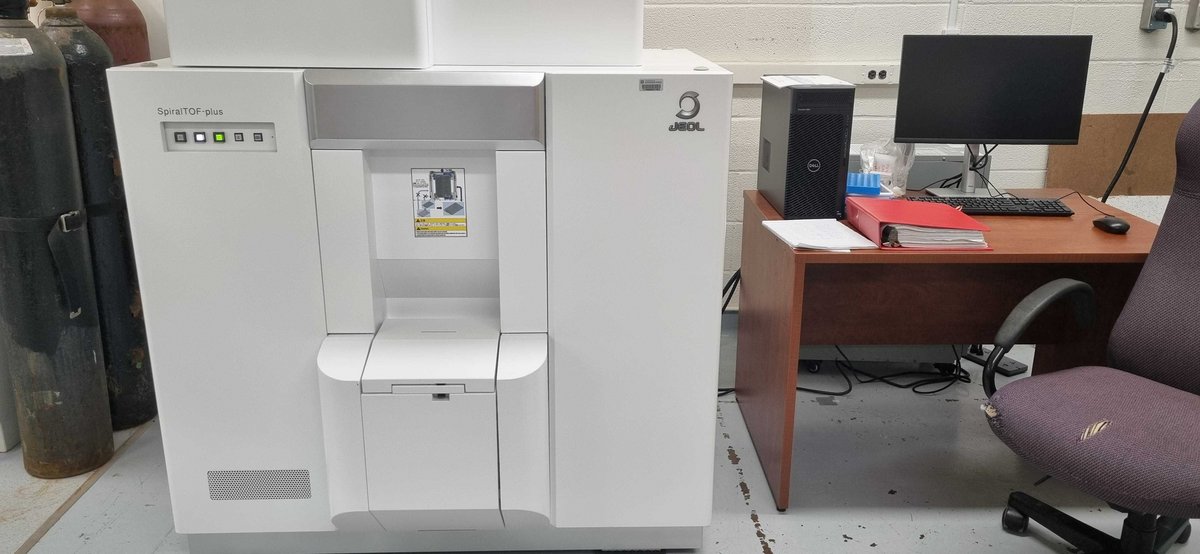
Our MALDI-TOF MS will allow the determination of polymer structures and microstructures even up to high molar masses thanks to its 16 m long spiral which allows to accelerate high molar masses in order to maintain an isotopic resolution up to 5000 g/mol, or a molecular resolution up to 35000 g/mol. Its linear mode allows to obtain the distribution of molar masses up to 500000 g/mol for polymers of very high molar masses.
Our cryogenic NMR (Cryo NMR) probe is ideal for drastically increasing the signal-to-noise ratio required for the characterization of biopolymers and proteins.
Our high-resolution magic angle spinning (HR-MAS) probe enables the analysis of gelled polymers by performing a hybrid measurement between solution-based NMR analysis (with a small amount of deuterated solvent) and solid-state NMR analysis.
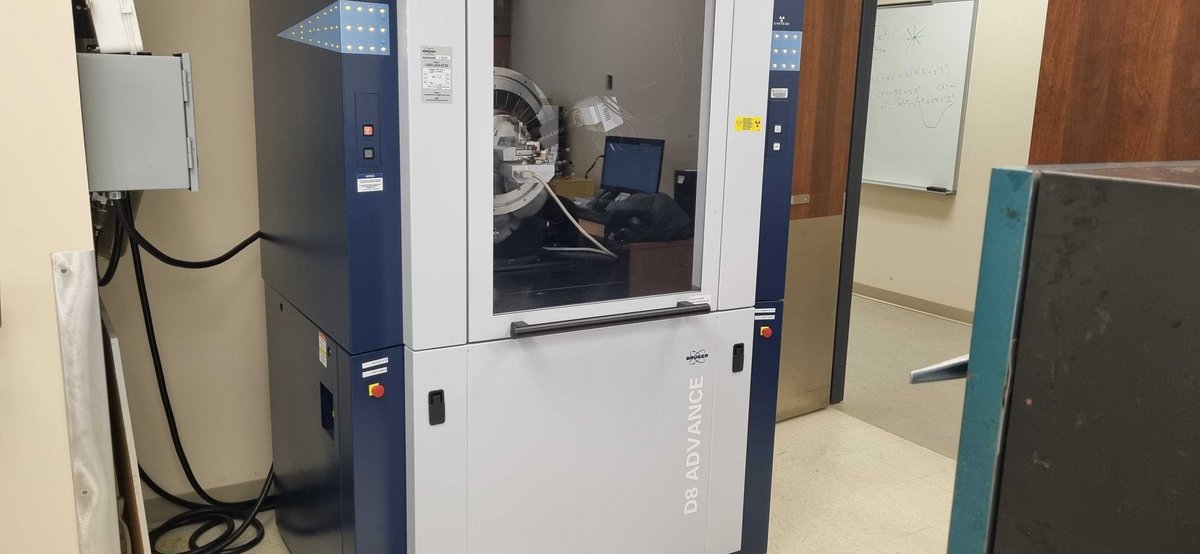
Our powder X-ray diffractometer allows you to automate the analysis of several samples (8) consecutively, allowing you to launch a series of analyses, then go on to perform other tasks during this time, ideal for quickly obtaining a large quantity of quality results to probe the crystallinity of materials, including semi-crystalline polymers.
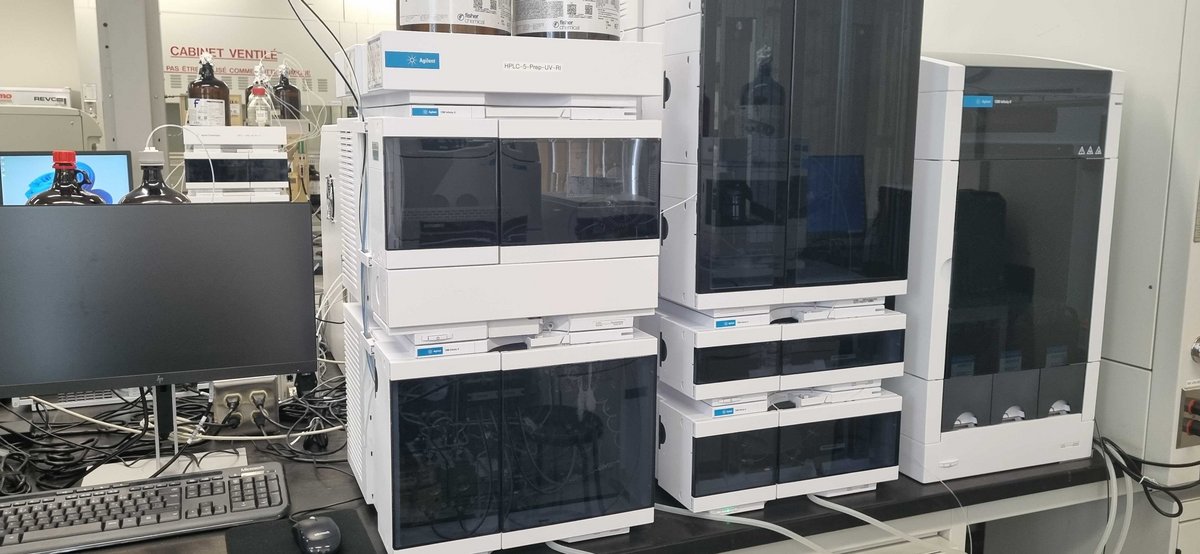
Our preparative size exclusion chromatograph allows the separation and fractionation of samples up to 200 mg per injection. Thanks to fractionation, it is also possible to separate different size distributions and collect them separately for subsequent analyses. In addition, the system can also be used in a variety of applications by changing the column to allow for all other forms of preparative chromatography (e.g., normal-phase or reversed-phase LC-Prep).
Calculations, Modelling and Artificial Intelligence
Instruments and softwares allowing polymer modelling and the development of our artificial intelligence algorithms.
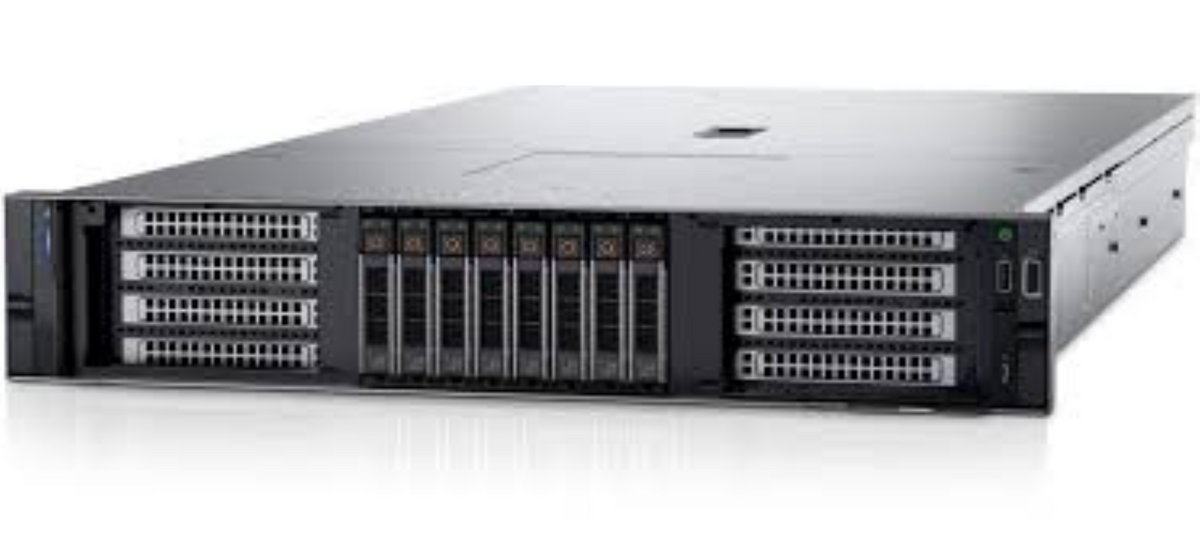
A Dell server was purchased to enable the development of artificial intelligence algorithms. The server has the following (partial) specifications:
- Serveur: Dell PowerEdge R750XA
- 2 CPU Intel Xeon Gold 6338 2G, 32C/64T, 11.6 GT/s, 48M Cache, Turbo, HT (205W) DDR4-3200
- 5x 4TB SSD SAS (RAID5)
- 32x 64GB RDIMM, 3200 MT/s
- 2x NVIDIA Ampere A100 80GB GPU
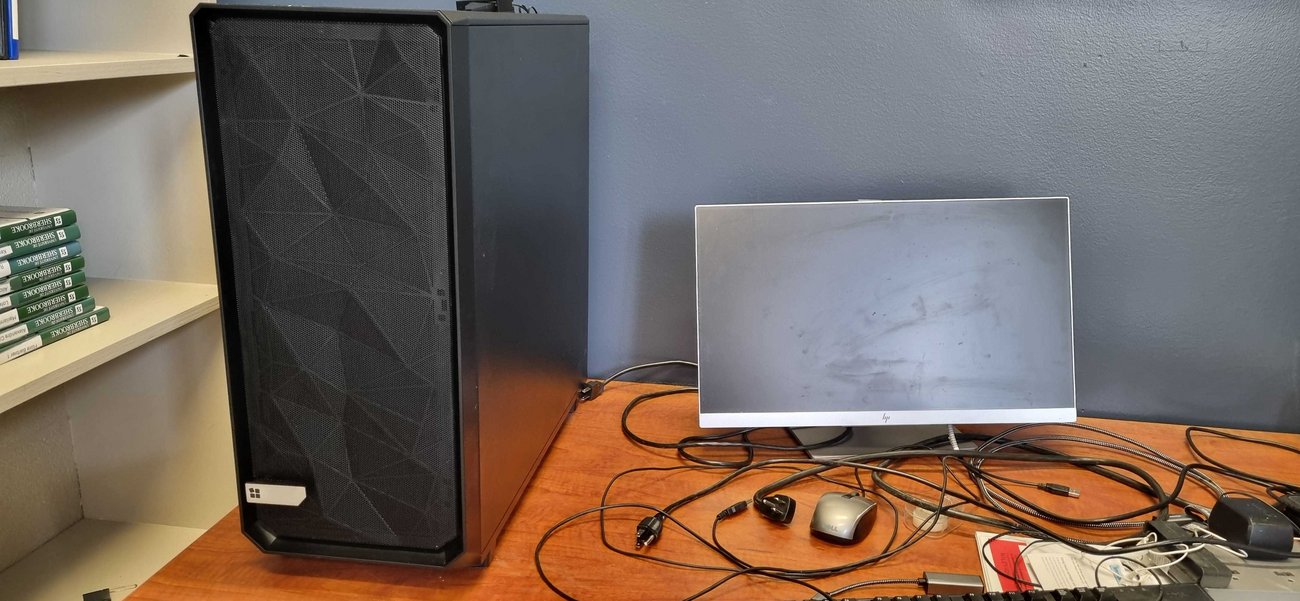
A calculation server running Ubuntu with an AMD processor was purchased to enable the use of calculation and modeling software on a more computationally friendly interface (Ubuntu/Linux). It has the following (partial) specifications:
- CIARA Kronos W405T-G6
- AMD Ryzen Threadripper PRO 5975WX, 32C/64T
- 4 TB SSD
- 256 GB DDR4-3200
- RTX3060, 12 GB
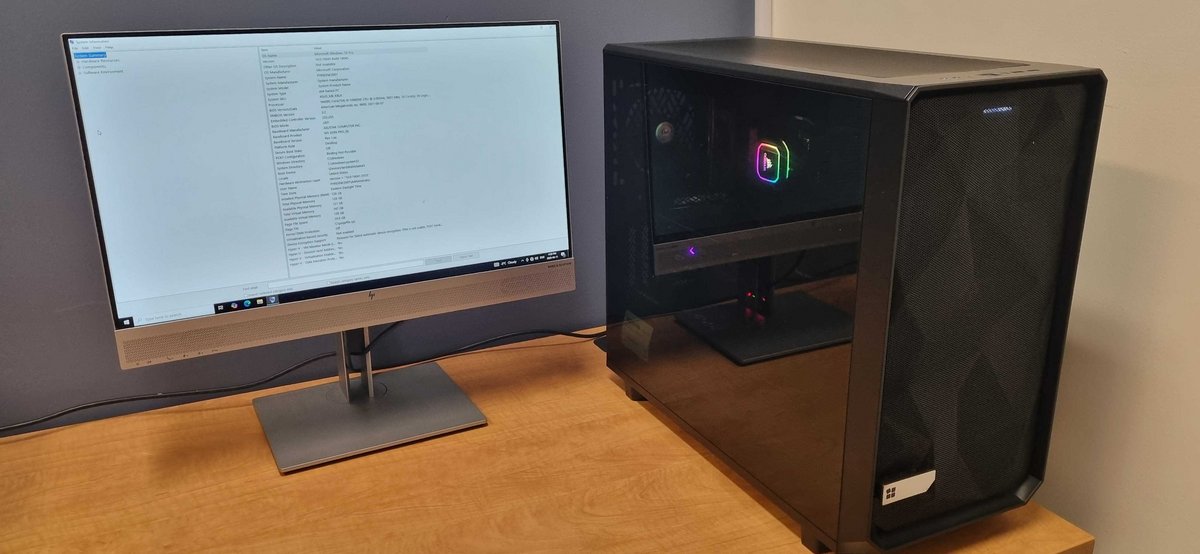
A computing server running on Windows 11 with an Intel processor was purchased to enable the use of software on a more familiar platform (Windows 11). It has the following (partial) specifications:
- CIARA Kronos 300T-G5
- Intel i9 10980XT 18C/36T
- 4 TB SSD
- 128 GB DDR4-3200
- RTX3060, 12 GB

Gaussian 16 is a quantum computational software program for predicting the fundamental properties of molecules. For polymers, it is particularly useful for determining how easily a segment of a polymer chain can rotate (by rotating dihedral angles) by calculating the potential energy of these rotations. The energy barriers associated with the rotations can then be used to predict the glass transition temperature (Tg) of the corresponding polymer. GaussView 6 is a molecular construction software program that allows the system to be prepared for simulation in Gaussian 16. A site license (Université de Sherbrooke) has been purchased, with no limit on the number of installations.

BIOVIA Materials Studio software allows you to construct periodic polymer systems to perform atomistic (molecular dynamics) simulations to model the properties of polymer systems under various conditions. A limited number of licenses have been purchased.

Materials Design MedeA is a software program that allows you to build a system and define the type of calculations or modeling to be performed on the system. Several modules were purchased to enable the modeling of surfaces and interfaces of various materials (polymers, oxides, metals, etc.). A module providing access to the VASP 6 calculation engine from MedeA was also purchased. A limited number of licenses were purchased.